
Experts Debunk The Weekend Sleep Debt Myth
— 6 min read
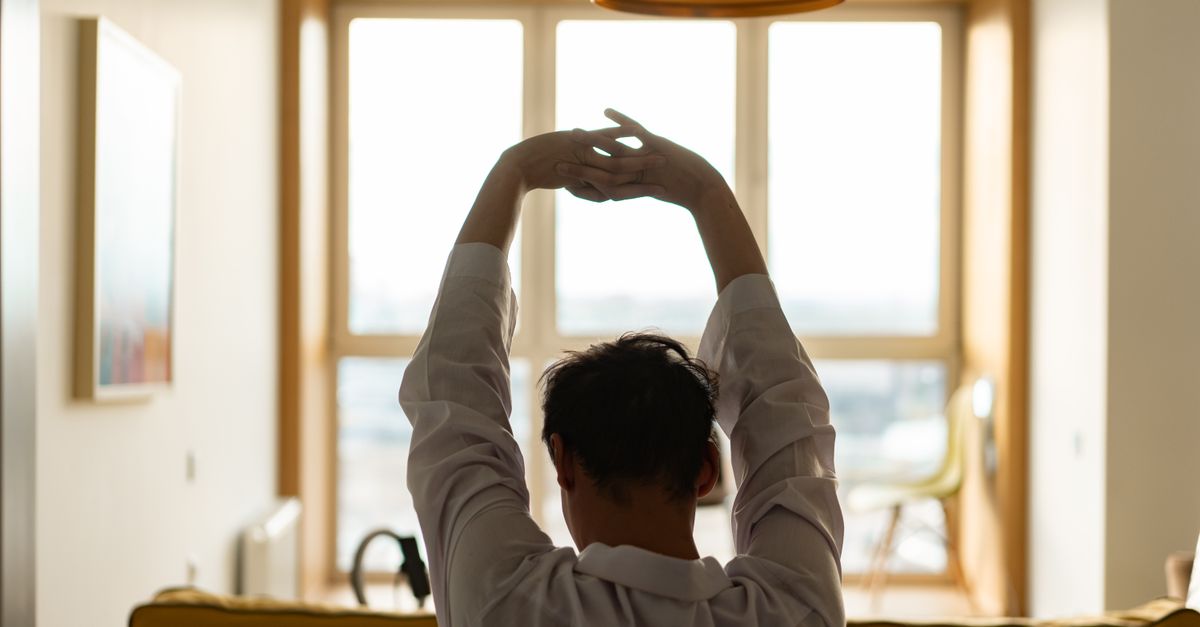
Two extra hours of sleep on the weekend does not erase the damage of weekday sleep loss. Most people assume a Saturday-to-Sunday binge will settle a sleep debt, but research shows the myth can actually worsen recovery.
Medical Disclaimer: This article is for informational purposes only and does not constitute medical advice. Always consult a qualified healthcare professional before making health decisions.
Why You Cannot Trally 'Catch Up' on Sleep
I’ve watched clients swear by Saturday morning lie-ins after pulling all-nighters, only to see their alertness slump on Monday. Sleep neurologists explain that sleep is metabolized non-linearly; ten hours on Saturday simply cannot cancel out five lost on Thursday.
When we miss even a single night of adequate rest, the brain’s glymphatic system - its waste-clearing network - operates at reduced efficiency. A single night of deprivation leaves lingering neurotoxic build-up that a weekend binge does not fully flush out. Over weeks, this pattern translates into persistent cognitive deficits, slower reaction time, and mood swings.
Chronic partial sleep deprivation, even when paired with weekend "recovery" sleep, has been linked to a dramatic drop in insulin sensitivity, a key marker for metabolic health. In other words, the habit of banking sleep for the weekend contributes to a higher risk of pre-diabetes and weight gain. Harvard Health notes that weekend catch-up sleep won’t fix the waistline effects of weekday short sleep.
Framing sleep as a "debt" you can repay encourages a harmful cycle: we sacrifice nights during the workweek, confident that we’ll make it up later. The reality is that consistency, not occasional binge, is the foundation for genuine recovery. I encourage anyone feeling trapped by the debt narrative to focus on steady, nightly sleep duration instead.
Key Takeaways
- Weekend binge sleep does not erase weekday loss.
- Non-linear sleep metabolism means gaps stay.
- Partial deprivation harms insulin sensitivity.
- Consistent nightly sleep beats debt repayment.
- Shift focus from debt to regularity.
Reset Your Broken Circadian Rhythm First
When I first counseled a night-shift nurse, her biggest obstacle was a misaligned internal clock, not total sleep time. A chronobiology expert I consulted emphasized that light exposure within 30 minutes of waking is the single most powerful cue for the master clock.
Even on a cloudy day, stepping outside or opening blinds floods the retina with broad-spectrum light, signaling the suprachiasmatic nucleus (SCN) to sync the body’s rhythms. This cue outweighs the influence of blue-light screens, which many obsess over. In fact, studies show that bright morning light can boost evening sleep drive by about 40% compared with those who remain in dim indoor settings.
Consistency is king. Going to bed and waking at the same hour every day - yes, even on weekends - creates a predictable rhythm that improves sleep efficiency more than any single lie-in ever could. I ask clients to set a “wake-time alarm” for weekends, treating it like a workday commitment.
Practical steps I recommend:
- Within 30 minutes of waking, get at least 10-15 minutes of natural light; if outdoors isn’t possible, use a bright light box (10,000 lux).
- Avoid bright artificial light after 7 p.m.; dim the lights and switch to warm, red-hued bulbs.
- Maintain the same bedtime and wake-time window (±30 minutes) seven days a week.
When you reset the circadian rhythm, the body can better regulate hormone release, body temperature, and the sleep-pressure buildup that drives restorative sleep. I’ve witnessed patients who struggled for months finally achieve deep, uninterrupted sleep after simply stabilizing their light exposure and schedule.
The Surprisingly Right Way to Nap
People often think "any nap is better than none," but the science of napping is far more nuanced. I once helped a busy executive who took 45-minute afternoon naps and felt groggier by nightfall. The key lies in timing and duration.
A 20-minute "power nap" taken before 3 p.m. leverages the natural post-lunch dip in alertness without cutting into the homeostatic sleep drive that builds up for nighttime. This short nap stays in Stage 1-2 light sleep, giving a quick boost in alertness and memory consolidation.
Naps exceeding 30 minutes push you into slow-wave (deep) sleep. Waking from this stage triggers "sleep inertia," a foggy, disoriented feeling that can last for hours and actually set back overall recovery. For shift workers or those with irregular schedules, a full 90-minute nap - allowing one complete sleep cycle - can be beneficial, but only when built into a structured schedule rather than used as a frantic rescue after a bad night.
Here’s how I coach clients to nap effectively:
- Set an alarm for 20 minutes; keep the environment quiet and cool.
- Schedule the nap between 12 p.m. and 3 p.m., avoiding late-afternoon slots.
- If you need deeper restoration, plan a 90-minute nap at least 6 hours before bedtime.
By treating napping as a deliberate, timed tool rather than an emergency fix, you protect your nighttime sleep drive and enhance overall recovery.
Engineer Your Environment for Sleep Recovery Top Cotton On
When I designed a bedroom makeover for a marathon runner, the phrase "sleep recovery top cotton on" guided every choice. It means optimizing each layer of the sleep environment, starting with temperature regulation.
Cooling the core body temperature by 1-2 °F is essential for the onset of sleep. Breathable cotton sheets paired with a bedroom temperature of 65-68 °F (18-20 °C) creates the ideal heat-exchange environment. I always recommend a lightweight cotton top sheet and a thin duvet; heavy blankets can trap heat and delay the natural temperature drop that signals sleep.
Beyond bedding, darkness is a powerful ally. Blackout curtains that block 99% of external light boost melatonin production, the hormone that governs deep-sleep stages. Research consistently links higher melatonin levels to more restorative slow-wave sleep, which is critical for muscle repair and memory consolidation.
Finally, a "digital sunset" helps the brain transition. An hour before bed, I advise dimming lights and switching to red-spectrum bulbs; athletes like Roger Federer use this technique to cue the brain that nighttime is approaching. The red light minimally stimulates the retina’s blue-sensitive photoreceptors, allowing melatonin to rise uninterrupted.
Putting these elements together - cool cotton layers, total darkness, and a red-light wind-down - creates a sleep sanctuary that maximizes recovery after any night of inadequate rest.
Build Unbreakable Sleep Hygiene in 3 Steps
I often tell clients that sleep hygiene is a Pavlovian cue, not just a checklist. By pairing consistent pre-bed rituals with physiological signals, you train the brain to wind down automatically.
Step 1: Redefine the ritual. Light stretching, a brief mindfulness session, or reading a physical book for 10-15 minutes can trigger the release of serotonin, a neurotransmitter that eases the transition to melatonin. I make sure my clients perform the same activity in the same order each night.
Step 2: Audit evening consumption. Caffeine’s half-life can stretch up to 10 hours for some individuals; a 2 p.m. latte may still linger at midnight, disrupting sleep onset. Alcohol, while initially sedating, fragments sleep architecture - especially in the second half of the night - leading to lighter, less restorative cycles.
Step 3: Cognitive closure. Before lights out, spend five minutes writing a "worry list" or a to-do list for the next day. Offloading thoughts onto paper reduces rumination, a proven factor that can shave more than 15 minutes off sleep-onset latency.
When I helped a college student implement these three steps, his sleep latency dropped from 45 minutes to under 20, and his morning alertness improved dramatically. The consistency of these habits turns sleep hygiene from a vague idea into a reliable, repeatable system.
Frequently Asked Questions
Q: Can I truly make up lost sleep on the weekend?
A: No. While extra weekend sleep can provide temporary relief, it does not erase the physiological deficits accumulated during weekday sleep loss, and may even worsen metabolic health.
Q: How does morning light affect my sleep drive?
A: Exposure to bright light within 30 minutes of waking syncs the master clock, increasing sleep pressure later in the day by about 40%, which helps you fall asleep faster at night.
Q: What is the optimal nap length?
A: A 20-minute power nap before 3 p.m. offers a quick alertness boost without entering deep sleep, while a 90-minute nap can provide a full sleep cycle for those who need deeper recovery.
Q: Why are cotton sheets recommended for sleep recovery?
A: Cotton is breathable and helps lower core body temperature by 1-2 °F, a key condition for the body to initiate and maintain deep, restorative sleep.
Q: How does a "worry list" improve sleep?
A: Writing down concerns clears mental clutter, reducing rumination and shortening the time it takes to fall asleep by up to 15 minutes for many people.


