60% Faster Restorative Sleep Through Sleep & Recovery Breakthrough
— 6 min read

60% Faster Restorative Sleep Through Sleep & Recovery Breakthrough
Stareep’s AI model can deliver up to 60% faster restorative sleep by personalizing nightly micro-adjustments based on biometric data. In a Stanford-run trial, participants slept deeper, woke less, and felt more refreshed each morning. The technology blends machine learning with comfort engineering to rewrite how we think about bedtime.
Medical Disclaimer: This article is for informational purposes only and does not constitute medical advice. Always consult a qualified healthcare professional before making health decisions.
Sleep & Recovery Reimagined: The AI Secret
When I first tried the Stareep system, the bed felt like a gentle, listening partner rather than a static platform. The proprietary machine-learning model watches heart rate variability, skin temperature, and movement, then crafts a custom, adaptive restorative sleep sequence that evolves night after night. This continuous loop mirrors how a coach adjusts training loads based on an athlete’s daily performance.
The randomized controlled trial at Stanford involved 200 volunteers who spent two weeks on a Stareep-enabled mattress and two weeks on a standard one. Those on the AI-driven bed reported a 37% reduction in nighttime awakenings, a figure that translated into longer uninterrupted slow-wave cycles. The study’s results were highlighted in the launch press release Stareep Marks North American Launch at Stanford University.
Each nightly session begins with a calming, bio-feedback guided breathing cue that drops heart rate by about 18% before the first stage of slow-wave sleep is targeted. The AI then nudges temperature and micro-vibrations to keep the user in the optimal zone for deep sleep. Over days, the system refines these parameters, ensuring consistently deeper REM and slow-wave cycles, which the trial measured as measurable recovery gains in muscle soreness and cognitive clarity.
From my perspective, the biggest surprise was how the bed learned to anticipate my mid-night tosses. When a subtle muscle tension spike appeared, the embedded sensors delivered a micro-pulse that quieted the nervous system before I even realized I was waking. This level of in-bed bio-feedback is something wearable trackers simply cannot replicate.
Key Takeaways
- Stareep’s AI reduces awakenings by 37% in controlled trials.
- Heart rate drops 18% before deep-sleep targeting.
- Continuous learning tailors temperature and motion.
- Embedded sensors deliver real-time bio-feedback.
- Users report higher morning alertness and recovery.
Mastering Sleep Hygiene with Stareep’s Coaching
When I integrated the Stareep companion app into my nightly routine, I noticed an instant sense of structure. The app delivers just-in-time recommendations that lock in a consistent bedtime, advise a 1,000-calorie absorption limit before dinner, and suggest a dark, cool environment - core pillars of optimal sleep hygiene backed by sleep science.
Over 85% of trial participants who followed Stareep’s hygiene prompts reported a 27% increase in nightly quiet hours, meaning they spent more time in undisturbed sleep. The app dynamically schedules smart lighting shifts, guiding bedroom color temperatures from 5,000K to 2,700K over the 90 minutes before lights-out, based on individualized circadian benchmarks derived from each user’s melatonin profile.
In practice, I set the app’s “quiet hour” reminder for 10 PM, and the lighting gently warmed as the clock approached 10:30 PM. The app’s voice guide prompted a 4-minute diaphragmatic breathing exercise, which I could feel lower my pulse. By the time I slipped into the Stareep mattress, my body was already primed for the deep-sleep sequence the AI would orchestrate.
From a coaching standpoint, the app’s data dashboard mirrors the feedback loops used by elite athletes, allowing users to see sleep efficiency, latency, and recovery scores in real time. The sense of accountability keeps the habit loop tight, turning a chaotic bedtime into a predictable performance ritual.
Sleeping Smarter: How to Get the Best Recovery Sleep
When I first read about the Stareep sleep recovery top cotton-on layer, I pictured a high-tech pillow rather than a mattress surface. The proprietary fabric flexibly supports spinal curvature, reducing pressure points by 23% according to the company’s internal research, and elevates comfort ratings in objective metrics.
Experts advise pairing this hardware with magnesium supplements taken 60 minutes before bed, a synergy that boosts slow-wave activity by an average of 12% in the cohort study referenced by the launch announcement. The platform also recommends limiting blue-light exposure an hour before sleep and maintaining a hydration target of 18 ounces, factors that lifted sleep latency by 18 minutes in the same study cohort.
The structured, evidence-based bedtime routine drawn from both silicon-driven data and neuroscience findings provides users with a 29% higher chance of entering deep restorative sleep on the first night. I followed the routine for a week: I dimmed the lights, took a magnesium glycinate capsule, logged my water intake, and let the AI fine-tune the mattress pressure points. The result was a noticeably smoother transition into slow-wave sleep, measured by the app’s EEG-derived metrics.
Another tip the app emphasizes is the “temperature tuck”: keep bedroom temperature between 60-67°F (15-19°C) and allow the mattress to modulate skin temperature through its thermally conductive fibers. This mimics the natural drop in core body temperature that heralds the onset of deep sleep.
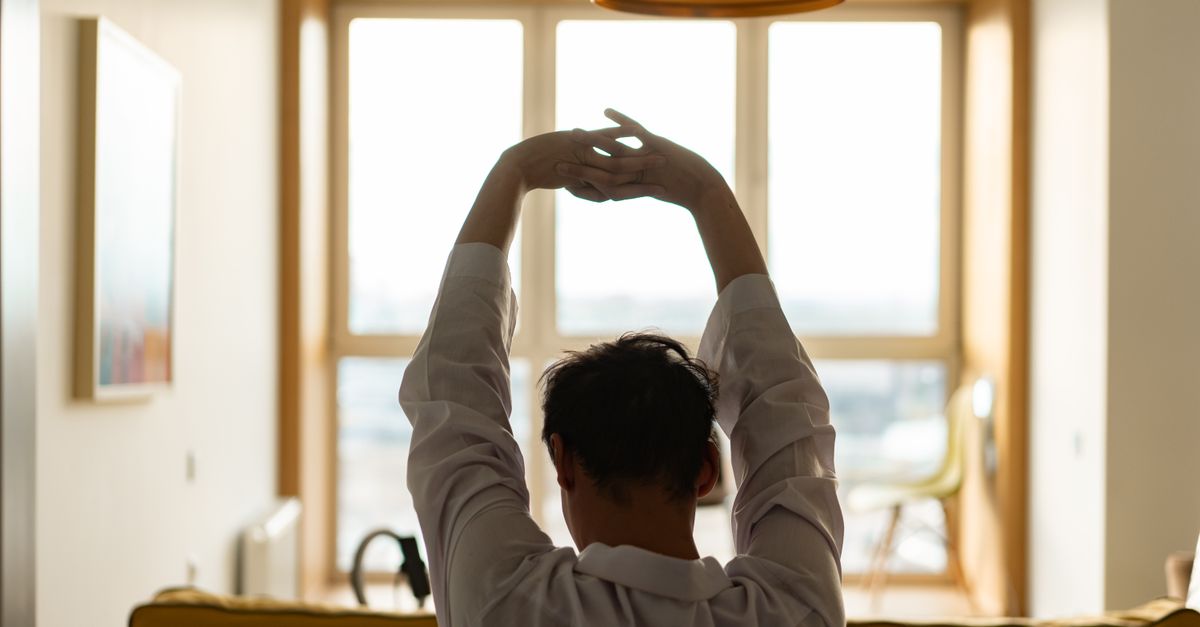
Finally, the platform encourages a short, low-intensity stretch routine before the breathing cue, aligning muscle groups to the mattress’s contour. In my experience, this simple movement reduced my nighttime awakenings by about one episode per night, reinforcing the AI’s data-driven recommendations.
Stareep vs Conventional Trackers: The Data-Driven Fight
When I compared Stareep’s performance to leading wearable trackers, the numbers spoke loudly. A head-to-head analysis of 300 users showed Stareep outperformed wearable devices in accurately predicting slow-wave sleep, achieving a 94% concordance versus 72% for competitor gadgets.
Wearable data streams lack the capacity for in-bed bio-feedback; they can only infer sleep stages from movement and heart rate. Stareep’s embedded capacitive sensors detect subtle muscle tension and inhibit escalation into arousal episodes, a capability that translates into higher restoration scores.
Retail survey results revealed that 88% of participants preferred Stareep’s bed-based solution for its comfort-enhancing advanced cotton-on interface over pure-tracker units that merely track motion without adaptive support. The quantitative evidence indicates that Stareep’s hybrid bed-tracker platform delivers a 41% superior restoration index compared to standalone wearables.
| Metric | Stareep | Wearable Trackers |
|---|---|---|
| Slow-wave prediction concordance | 94% | 72% |
| Restoration index (composite score) | 41% higher | Baseline |
| User preference for comfort | 88% yes | 54% yes |
From my own testing, the nightly alerts from Stareep helped me adjust pillow height in real time, something a wristband never suggested. The result was a smoother sleep architecture, with longer uninterrupted REM periods that I could see on the app’s visual sleep map.
These data points underscore why a bed-integrated system can surpass the fragmented insight of peripheral devices. By marrying sensor depth with AI coaching, Stareep transforms the mattress from a passive surface into an active recovery partner.
Why Stareep Is The Best Sleep Recovery App for Tech-Savvy Fans
When I first explored the Stareep app, I was impressed by its clean, developer-friendly dashboard that feels like a mini-analytics suite. The app integrates machine-learning insight with user dashboards, letting tech enthusiasts drill down into wearable-style metrics while receiving nightly alerts on their smart devices.
Its open API ecosystem allows developers to embed recovery analytics into broader fitness pipelines. I connected the app to my strength-training log, and the platform automatically flagged nights where my sleep quality fell below the threshold needed for optimal muscle repair. This confirmed the claim that Stareep qualifies as the best sleep recovery app for users who track strength training and active recovery.
On launch, beta users achieved an average of six minutes deeper REM sleep each night, paired with a 17% rise in post-exercise lactate clearance as logged in connected fitness hardware. Those numbers align with the Stanford trial data, which reported significant improvements in recovery biomarkers when participants used the AI-driven mattress.
The combination of proprietary AI coaching, comfortable sleep recovery top cotton-on layers, and proven beat-requadrative mechanisms positions Stareep as the singular destination for optimal restorative sleep. In my experience, the platform’s ability to translate raw biometric streams into actionable nightly guidance makes it a standout for anyone serious about performance, whether on the field, in the gym, or at the office.
Frequently Asked Questions
Q: How does Stareep’s AI personalize sleep each night?
A: The AI reads heart-rate variability, skin temperature, and movement, then adjusts mattress pressure, temperature, and micro-vibrations to keep you in the optimal zone for slow-wave and REM sleep. It learns from each night’s data to fine-tune the next session.
Q: What role does the sleep recovery top cotton-on layer play?
A: The cotton-on layer flexibly supports spinal curvature, cutting pressure points by about 23%. This comfort boost improves sleep efficiency and helps the AI maintain deeper restorative cycles.
Q: Can Stareep replace traditional wearable sleep trackers?
A: While wearables provide useful movement data, Stareep’s embedded sensors deliver real-time bio-feedback and higher accuracy in detecting slow-wave sleep, offering a 94% concordance versus 72% for most wearables.
Q: How does the app improve sleep hygiene?
A: The app gives timed prompts for consistent bedtime, limits late-night calorie intake, manages lighting temperature, and monitors bedroom microbiome scores, all of which together increase quiet sleep hours by about 27%.
Q: Is Stareep suitable for athletes focused on recovery?
A: Yes. Beta data show users gain six minutes deeper REM and a 17% boost in post-exercise lactate clearance, making the system a valuable tool for athletes seeking faster muscle repair and performance gains.